
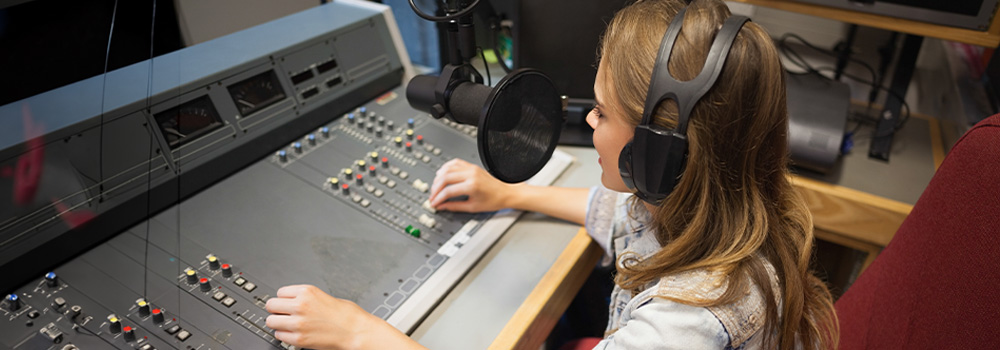
Every minute of dead air, every mistimed commercial break, and every missed cue cost a broadcaster more than just goodwill. In an industry where audiences have endless options, reliability is not a luxury. It is the foundation of a broadcaster’s reputation. This is where automated playout systems come in. By taking over the repetitive, time sensitive work of transmitting content, these systems help radio and TV broadcasting teams deliver a consistent, professional experience around the clock.
For decades, broadcasters relied on manual operators to load tapes, trigger transitions, and manage transmission schedules in real time. That approach worked when channel counts were low, and broadcast hours were limited. Today, with round the clock programming, multiple channels, and multi-platform distribution, manual playout is simply not sustainable. Automated playout systems have become a core part of modern broadcasting infrastructure and understanding how they work is essential for any broadcaster looking to stay competitive.
What is an Automated Playout System?
An automated playout system is broadcast technology that manages the transmission of video and audio content without requiring a human operator to trigger every event manually. Once content is prepared and loaded into the system, the playout engine handles transitions, graphics overlays, audio levels, and channel branding based on the parameters that have been configured for the broadcast. This allows radio stations and TV channels to run continuous, error-free transmissions with far less hands-on intervention than traditional setups required.
Why Reliability Matters So Much in Radio and TV Broadcasting
Reliability is the currency of trust in broadcasting. Listeners and viewers expect their favorite radio station or TV channel to be available exactly when they tune in, whether that is during a live sports event, a breaking news segment, or a scheduled program. A single transmission failure can disrupt that trust and send audiences searching for alternatives.
Broadcast reliability depends on many moving parts working together correctly and consistently, every single time. Manual processes introduce more opportunities for things to go wrong, from a missed cue to an incorrect file being played. Automated playout systems reduce these risks by standardizing how content moves through the broadcast chain, giving broadcasters a dependable foundation for daily operations.
Key Ways Automated Playout Systems Improve Reliability
Consistent, Error Resistant Transmission
Automated playout removes much of the guesswork from daily broadcast operations. Once a program is scheduled and configured within the system, playback follows the same defined process every time. This consistency helps broadcasters avoid small, easily overlooked mistakes that tend to happen during manual handoffs between shifts or operators.
Built in Redundancy and Failover Support
Many automated playout platforms are designed with redundancy in mind, offering backup channels, secondary servers, or failover content that can keep a station or channel on air even if a primary component encounters an issue. This layered approach to reliability is one of the biggest advantages automated systems bring to radio and TV broadcasting operations that cannot afford extended downtime.
Fewer Points of Human Dependency
When transmission relies heavily on a single operator managing multiple tasks at once, the broadcast becomes vulnerable to fatigue, distraction, or simple oversight. Automated playout systems distribute that responsibility to well defined, repeatable processes, which help broadcasters maintain steady on-air performance even during overnight hours or periods of reduced staffing.
How Automated Playout Systems Improve Broadcasting Efficiency
Streamlined Daily Operations
Broadcasters manage a constant flow of content, from commercials to full length programs. Automated playout systems help teams organize this content and move it through the broadcast chain with far less manual coordination, freeing up staff to focus on production quality, content strategy, and audience engagement instead of repetitive on-air handling.
Faster Turnaround for Content Updates
In fast moving broadcast environments, content needs to be updated quickly, whether that means swapping in breaking news coverage or adjusting a commercial lineup. Automated playout systems make it easier for broadcasters to update content within their workflow without disrupting the overall transmission, keeping operations agile and responsive.
Better Resource Allocation
When routine playout tasks are handled by automated systems, broadcast teams can allocate their staff more strategically. Engineers and operators can focus on monitoring system health, improving content quality, and supporting new initiatives rather than manually executing every broadcast cue throughout the day.
Scalable Operations Across Multiple Channels
Many broadcasters today operate more than one channel or station, often across different formats and platforms. Automated playout systems provide a structure that can support this kind of growth, helping broadcasting teams manage multiple outputs without a proportional increase in manual workload.
Automated Playout in Radio Broadcasting
Radio broadcasting depends heavily on precise timing, from song transitions to advertising breaks. Automated playout systems help radio broadcasters maintain a smooth, professional sound throughout the day, supporting consistent audio levels, clean transitions, and reliable execution of programming blocks. This is especially valuable for stations that broadcast continuously, since it reduces the burden of staffing every hour with a live operator while still maintaining broadcast quality.
Automated Playout in TV Broadcasting
Television broadcasting introduces additional complexity, including graphics, branding elements, subtitles, and multiple video formats that all need to align precisely during transmission. Automated playout systems help TV broadcasters coordinate these elements so that channel branding, commercial breaks, and program content are delivered in a clean, professional sequence. This level of coordination is difficult to sustain manually, particularly for broadcasters running multiple channels or extended broadcast hours.
Choosing the Right Playout Solution for Your Broadcast Operations
Not every broadcaster has the same needs, so choosing a playout solution should start with a clear look at your current operations and where you want them to go. Consider your channel count, content volume, staffing structure, and how your broadcast infrastructure needs to grow over time. A solution that fits a single radio station may not be the right fit for a broadcaster to manage several TV channels or a mixed radio and TV operation.
It also helps to think about how a playout solution fits into your broader broadcast technology stack, including content storage, transmission hardware, and monitoring tools. The right platform should integrate smoothly with the systems you already rely on, rather than forcing your team to rebuild workflows from the ground up.
How EBIMS Supports Modern Broadcasters
EBIMS works with radio and TV broadcasters who want dependable, well-engineered broadcast technology built for real world operations. Rather than treating playout as an isolated tool, EBIMS approaches it as part of a broader broadcast infrastructure, helping stations and channels maintain steady, professional transmission across their daily operations.
Broadcasters working with EBIMS gain a technology partner who understands the practical demands of radio and TV broadcasting, from managing content flow to supporting the reliability that audiences expect. As broadcasting continues to evolve across traditional and digital platforms, EBIMS remains focused on helping broadcasters build broadcast operations that are both dependable and efficient.
Final Thoughts
Automated playout systems have become a practical necessity for modern radio and TV broadcasting, offering a dependable way to manage transmission while supporting efficient day-to-day operations. As broadcasters continue to expand across channels and platforms, the value of a strong playout foundation only grows. Partnering with an experienced broadcast technology provider like EBIMS gives broadcasters the support they need to build reliable, efficient operations that keep their audiences tuned in.
Frequently Asked Questions
What is the main purpose of an automated playout system?
The main purpose is to manage the transmission of radio or TV content in a consistent, structured way, reducing the need for constant manual intervention during broadcast operations.
Are automated playout systems only used by large broadcasters?
No. Broadcasters of many different sizes use playout automation, from single station radio operations to multi-channel TV networks, since the underlying goal of consistent, reliable transmission applies across the industry.
Do automated playout systems replace broadcast staff?
Automated playout systems are designed to support broadcast teams, not replace them. They take over repetitive transmission tasks so staff can focus on content quality, monitoring, and strategic decisions.
How do automated playout systems help during unexpected technical issues?
Many platforms include redundancy features such as backup channels or failover content, which help broadcasters stay on air and reduce the impact of unexpected technical issues.
Is automated playout suitable for both radio and TV broadcasting?
Yes. Automated playout technology is widely used across both radio and TV broadcasting, with each format relying on it to manage transitions, timing, and content delivery in a dependable way.
What should broadcasters look for in a playout solution?
Broadcasters should look for a solution that fits their channel count and content volume, integrates well with their existing broadcast infrastructure, and supports steady, professional transmission as their operations grow.